
How do we feed the future without eating the planet?
How are we going to nourish a larger future population without negatively impacting the environment we all depend upon?
The world.edu network focuses on education, science, innovation and the environment.
Here you can submit and vote on the best content from the world’s leading organisations and websites.
How are we going to nourish a larger future population without negatively impacting the environment we all depend upon?

Are you ready for a new position in 2019? While it often takes effort and sacrifice, each initiative your team develops and sustainability goal you help achieve while serving on a sustainability team could be the stepping stone to your next professional move.

As the threat that climate change poses to civilization becomes clearer, more voices across the political spectrum call for governmental action to slow average global temperature increases and adapt to the impact on natural and human-made infrastructure.
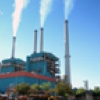
Climate change will hammer the U.S. economy unless there’s swift action to rein in greenhouse gas emissions from burning fossil fuels, according to the latest National Climate Assessment report.
Some years ago, I purchased "Sustainability.Today" from a website supplier. I thought it would be a good name for a news service and social media channel about the global sustainability movement.

In India’s burgeoning urban areas, residents are rallying against the widespread destruction of trees to make way for development.

Have you ever seen one of those big yellow cards on refrigerators, washing machines and other new appliances? These government-mandated notices indicate about how much energy the average U.S. consumer will save by replacing their older model at home with one of these shiny new things.
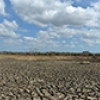
Metaphors are potent tools in political communication, and climate discourse in particular. Grappling with a constant state of information overload, we rely on these cognitive shortcuts to guide all manner of decision making, including who to vote for and which policies to support.

Greenhouse gas emissions surged in the United States last year, according to a report last week, a disturbing data point during a disconcerting moment in time.

Attentive readers — all of you, I’m certain — will note that over the past few months we’ve been ramping up our coverage of the financial side of corporate sustainability — things such as environmental, social and governance (ESG) issues and reporting under the guidelines of the Task Force on Climate-Related Financial Disclosures (TCFD).
