
A nod to unalienable truth of interdependence
The Fourth of July always gets me thinking about declaring our interdependence. You read that right: interdependence, not independence.
The world.edu network focuses on education, science, innovation and the environment.
Here you can submit and vote on the best content from the world’s leading organisations and websites.
The Fourth of July always gets me thinking about declaring our interdependence. You read that right: interdependence, not independence.

The Guardian gave the urgency of the climate crisis its due when it introduced new, more accurate language into its lexicon in May.

The green belt of tropical rainforests that covers equatorial regions of the Americas, Africa, Indonesia and Southeast Asia is turning brown.

In the increasingly urgent race to decarbonize the global economy before atmospheric greenhouse gas concentrations reach truly devastating levels, conventional wisdom says we should electrify everything and obtain that electricity from non-emitting sources.

When I used to behave like an entitled teenager, my mother always used to say, "You’ve only one mouth but you’ve got two ears." It used to drive me crazy. But as with most things, she was right.

The conversation about levying taxes on carbon emissions — a controversial one in many countries and practically a third-rail no-no in the United States political arena — is heating up around the world, seemingly in lockstep with the planet itself.

The green belt of tropical rainforests that covers equatorial regions of the Americas, Africa, Indonesia and Southeast Asia is turning brown.
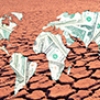
For decades, the main argument against climate action has been economic: Even if the climate is changing, the argument went, addressing it at the scale needed would force companies, cities and institutions into bankruptcy. In short, it would tank the economy.

The book highlights the Green Wisdom shared by the Sustainability Team leaders from some of the most innovative brands — how their teams originated, how they embed their work into the corporate business model, how they re-inspire members when momentum decreases, and the best practices they use to promote team unity.
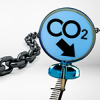
When online payments entrepreneur Stripe last week declared its intention to achieve negative emissions — by funding carbon removal projects, not just traditional offsets — I could practically hear Nori CEO Paul Gambill cheering from the blockchain startup’s Seattle headquarters.
